Introduction
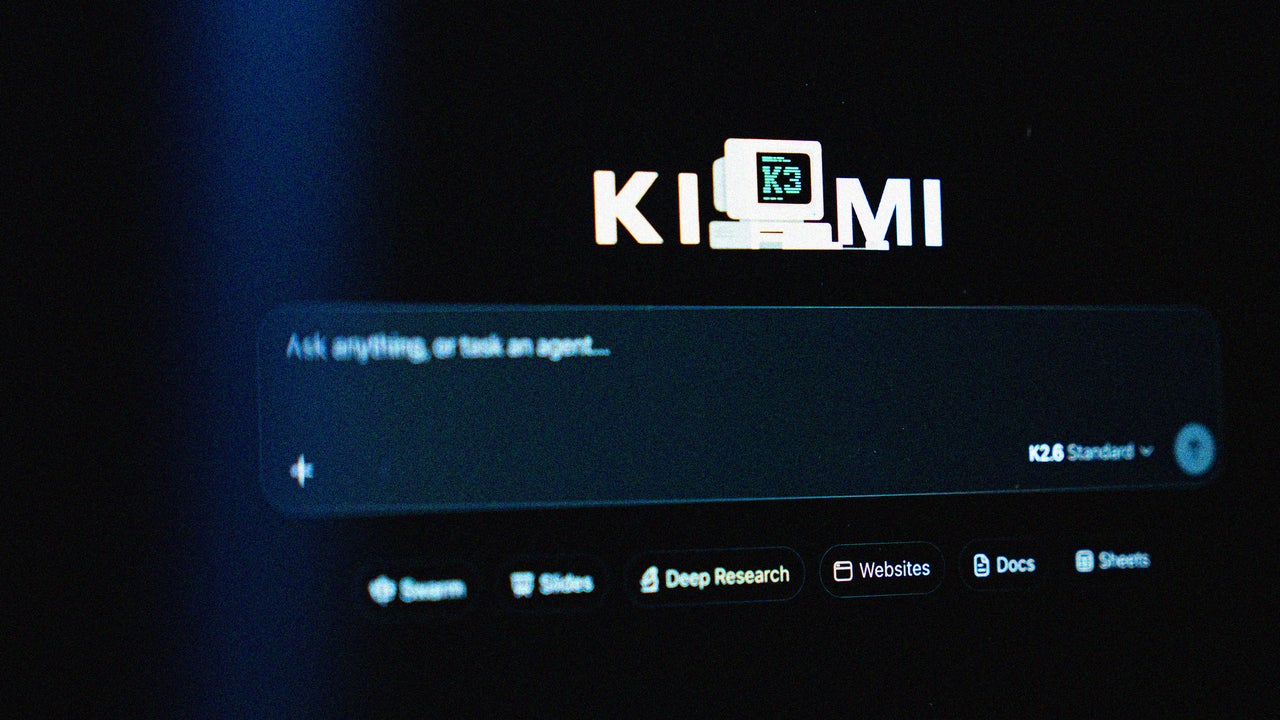
The release of Moonshot AI's Kimi K3 has sent shockwaves through the AI community, sparking a debate about the future of AI development and the role of open-source models. As one of the largest open-weight models ever released, Kimi K3 challenges the dominance of Western AI labs and raises important questions about the safety and transparency of AI development.
What Happened
On July 27, Moonshot AI released the full weights of Kimi K3, a model with roughly 2.8 trillion parameters. The model is natively multimodal, meaning it can process images and audio alongside text, and it can reason across a 1-million-token context window. The release was met with rapid adoption, with the model reaching No. 1 on Hugging Face's trending chart within 30 minutes and garnering tens of thousands of downloads.
Key Details
- Kimi K3 is an open-weight model, meaning its weights are freely available for developers to use and modify.
- The model has 2.8 trillion parameters, making it one of the largest open-weight models ever released.
- Kimi K3 is natively multimodal, meaning it can process images and audio alongside text.
- The model can reason across a 1-million-token context window.
Technical Analysis
Kimi K3's technical specifications make it a significant player in the AI landscape. Its native multimodal capabilities and large parameter count give it a unique advantage in tasks that require complex reasoning and processing. The model's performance on coding benchmarks is also impressive, outperforming many frontier models.
Industry Impact
The release of Kimi K3 has significant implications for the AI industry. It challenges the dominance of Western AI labs and raises questions about the safety and transparency of AI development. The model's open-weight architecture also raises the possibility that more transparent models may ultimately be easier to control and safer than closed-weight models.
Future Implications
The release of Kimi K3 is a significant milestone in the development of AI, and its implications will be felt for years to come. As the AI community continues to evolve and grow, it's likely that we'll see more open-weight models like Kimi K3, and the debate about the safety and transparency of AI development will only continue to grow.
Why It Matters
The release of Kimi K3 matters to developers because it provides a powerful tool for building complex AI applications. The model's open-weight architecture also makes it easier for developers to modify and customize the model to suit their specific needs. For businesses, Kimi K3 represents a significant opportunity to leverage the power of AI in their operations, from automating tasks to generating insights. The model's implications for the AI industry as a whole are also significant, as it challenges the dominance of Western AI labs and raises questions about the safety and transparency of AI development.
As the AI community continues to evolve and grow, it's likely that we'll see more open-weight models like Kimi K3. This will have significant implications for the development of AI, as it will allow for more collaboration and innovation in the field. It will also raise important questions about the safety and transparency of AI development, and how we can ensure that these powerful models are used for the benefit of society.
The release of Kimi K3 also matters to the broader AI industry, as it represents a significant shift in the way that AI models are developed and deployed. The use of open-weight models like Kimi K3 will allow for more collaboration and innovation in the field, and will raise important questions about the safety and transparency of AI development.
📈
Market Impact
The release of Kimi K3 will have a significant impact on the AI market, as it challenges the dominance of Western AI labs and raises questions about the safety and transparency of AI development. The model's open-weight architecture and native multimodal capabilities make it a powerful tool for building complex AI applications, and its rapid adoption on Hugging Face is a testament to its potential. The model's release will also raise important questions about the role of open-source models in the development of AI, and how we can ensure that these models are used for the benefit of society.
💻
Developer Impact
The release of Kimi K3 will have a significant impact on developers, as it provides a powerful tool for building complex AI applications. The model's open-weight architecture and native multimodal capabilities make it a unique advantage in tasks that require complex reasoning and processing. The model's performance on coding benchmarks is also impressive, outperforming many frontier models. Developers will be able to leverage the power of Kimi K3 to build a wide range of applications, from automating tasks to generating insights.
🔮
Future Prediction
In the next 30 days, we can expect to see significant growth in the adoption of Kimi K3, as developers and businesses begin to explore its potential. In the next 90 days, we can expect to see the release of new open-weight models that build on the success of Kimi K3, and the debate about the safety and transparency of AI development will continue to grow. In the next 180 days, we can expect to see significant advancements in the development of AI, as the use of open-weight models like Kimi K3 becomes more widespread, and the AI community continues to evolve and grow.
The release of Kimi K3 is a significant milestone in the development of AI, and its implications will be felt for years to come. The model's open-weight architecture and native multimodal capabilities make it a powerful tool for building complex AI applications, and its rapid adoption on Hugging Face is a testament to its potential. However, the model's release also raises important questions about the safety and transparency of AI development, and how we can ensure that these powerful models are used for the benefit of society. As the AI community continues to evolve and grow, it's likely that we'll see more open-weight models like Kimi K3, and the debate about the safety and transparency of AI development will only continue to grow.
ThinkSuite AI Analysis