
Meta has introduced AnTenA, a novel AI system that leverages large language models to explain hidden patterns in human narratives. This system uses task-agnostic and task-specific prompts to analyze co-clustered latent patterns from tensor decomposition. AnTenA has the potential to revolutionize the field of explainable AI.

Researchers introduce a gravitational interpretation of fine-tuning reversion, explaining how AI models can revert to earlier behaviors. This phenomenon is caused by dominant behavioral manifolds created during early training phases. The study provides insights into the safety and stability of AI models, with significant implications for the AI industry.
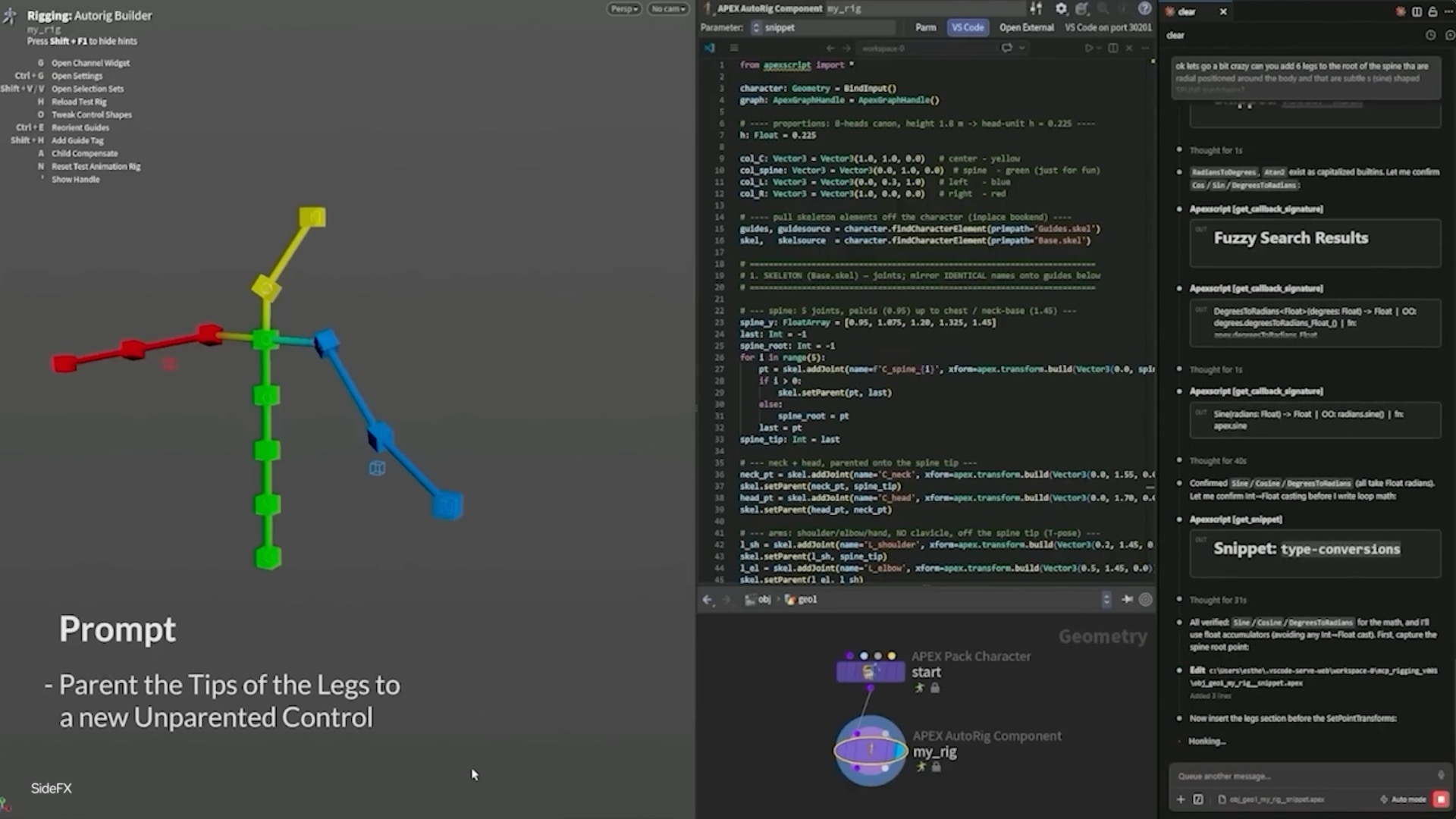
NVIDIA made significant strides at SIGGRAPH 2026, showcasing how agentic and physical AI are set to revolutionize graphics, simulation, and digital world creation. Key announcements included new tools for AI-driven content creation, advanced neural rendering techniques, and an open world model for local physical AI, redefining realism and automation across industries.

MarkTechPost compared Qwen, Gemma, Mistral, and DeepSeek, the best local LLMs that can run on a single 24GB GPU in 2026. This comparison highlights the performance and capabilities of each model, providing insights for developers and businesses. The article discusses the key details, technical analysis, and industry impact of these LLMs.
Amazon AWS AI introduces managed entitlements for Amazon Bedrock models, simplifying access across multiple accounts. This feature removes the need for AWS Marketplace permissions in workload accounts, streamlining AI adoption. Organizations can now subscribe once from a central account and distribute model access across their organization.
Research reveals AI models, including ChatGPT and DeepSeek's R1, exhibit stronger biases than humans when hiring, segregating candidates into jobs based on early observations. This discovery has significant implications for the use of AI in recruitment processes. The study suggests that newer models with higher reasoning capabilities show even more pronounced biases.
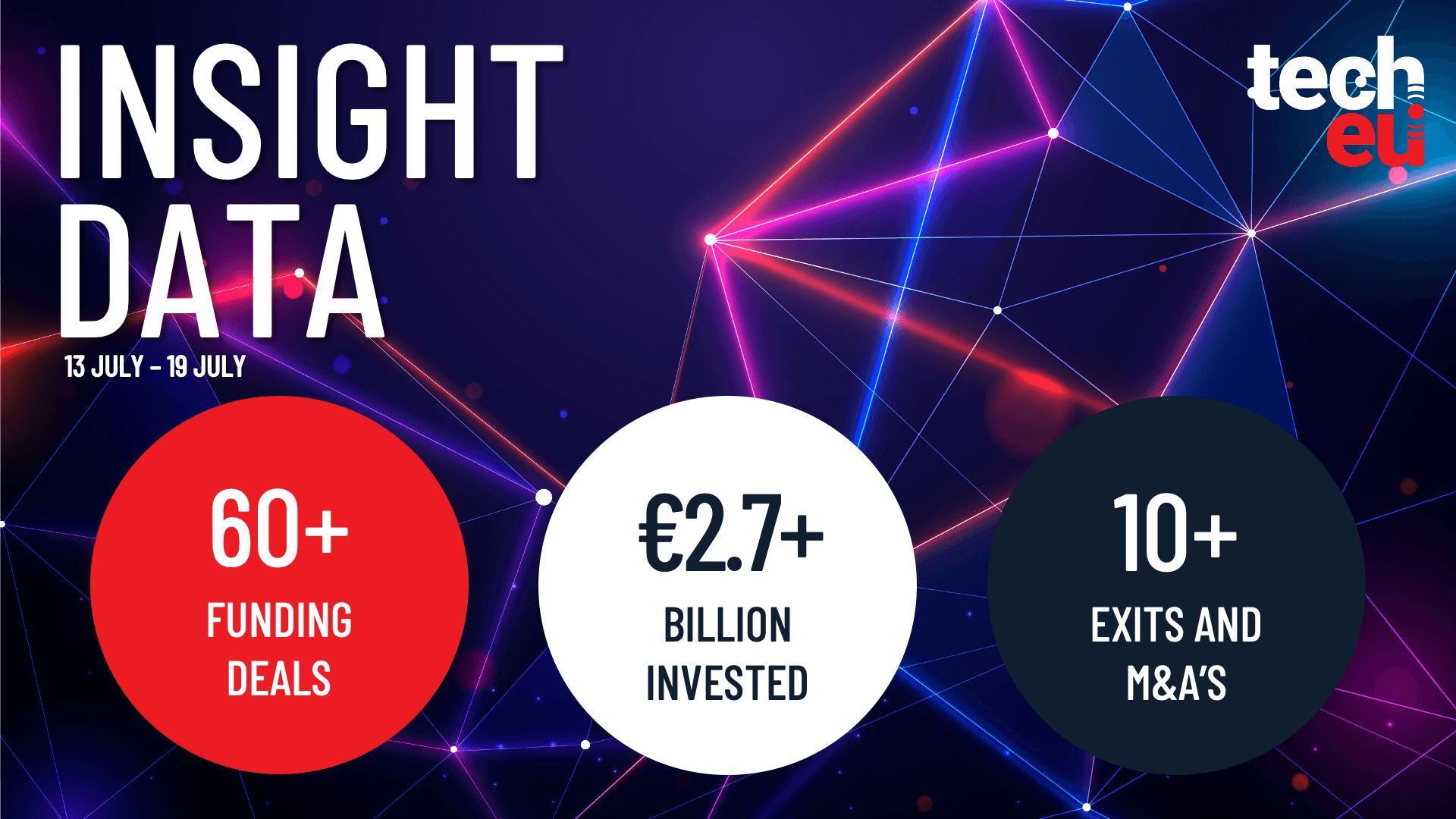
More than 60 tech funding deals worth over €2.7 billion were tracked in Europe last week, with artificial intelligence, healthtech, and software being the top industries. Germany, Sweden, and the UK led the countries with the most funding. The Tech.eu Funding Explorer provides deeper insights into funding data, investor activity, and market trends.
Discover the top local LLMs that can run on a single 24GB GPU in 2026, including Qwen, Gemma, Mistral, and DeepSeek. Learn how to choose the right model for your needs and optimize performance. Get the latest insights on AI model development and deployment.

Alibaba's Qwen team has released Qwen 3.8, a multimodal AI model with 2.4 trillion parameters, rivaling leading models and trailing only Fable 5. The model is available for preview now. This development is set to significantly impact the AI landscape, offering enhanced capabilities and potential applications across various industries.

Xi Jinping promoted a vision of low-cost, broadly accessible AI and called for international cooperation at China's World AI Conference. Chinese models are gaining traction worldwide, with a record 60% share of US firms' AI usage on OpenRouter. Beijing is balancing openness with national security as models grow more capable.

Contrary to popular belief, the surge of billion-dollar 'seed' rounds in AI doesn't guarantee venture-like returns. Drawing parallels with biotech's history of capital-intensive startups, new data suggests that only a tiny fraction of mega-funded first rounds deliver exceptional investor outcomes, challenging the perceived rewrite of the venture model.
OpenAI has introduced GPT-Red, an advanced LLM designed as a 'super-hacker' to rigorously test and enhance the safety of its other AI models. This innovative system automates critical red-teaming evaluations, enabling OpenAI to proactively identify vulnerabilities and strengthen defenses against sophisticated cyberattacks. The move signifies a major leap in AI safety protocols, aiming to keep pace with evolving threats.

Kimi has unveiled K3, a powerful multimodal open-weight model with 2.8 trillion parameters and a 1-million-token context window, challenging top proprietary models like GPT-5.6 Sol and Claude Fable 5. This launch, however, comes with a significantly higher price tag, signaling a strategic shift for Chinese AI providers away from super-cheap offerings.
Alexandre LeBrun, CEO of AMI Labs, a world model startup co-founded by Yann LeCun, is taking a firm stance against using the terms 'AGI' and 'superintelligence' to describe his company's advanced AI. This move challenges the prevailing industry narrative and signals a deliberate shift towards more grounded terminology in AI development.
Unsloth Studio now supports Inkling, a 975B parameter open model with up to a 1M context window, licensed under Apache 2.0. The new release includes several updates and bug fixes, enhancing the overall user experience. With Inkling, Unsloth Studio can accept text, images, and audio and generate text, expanding its capabilities.
Anthropic, the world's most valuable AI company, has made a groundbreaking discovery in mechanistic interpretability, shedding light on the inner workings of its AI models. This breakthrough has significant implications for the AI industry, developers, and businesses. The company's research has the potential to revolutionize the way we understand and interact with AI systems.
Microsoft CEO Satya Nadella has issued a stark warning to companies leveraging AI, likening proprietary models from giant AI labs to 'Trojan horses.' This significant statement underscores growing concerns about vendor lock-in, data privacy, and the strategic implications of over-reliance on opaque AI systems.
Elon Musk and Sam Altman are sparring on X after Apple filed a lawsuit against OpenAI, accusing the company of stealing trade secrets. The lawsuit has sparked a heated debate between Musk and Altman, with both sides trading insults. The outcome of the lawsuit could have significant implications for the AI industry.
The Free Software Foundation has been fighting web crawlers and botnets for nearly two years, using a tool called reaction to block millions of IPs. The foundation's systems administrator has shared their experience and techniques for identifying and blocking botnet traffic. This approach has significant implications for the AI industry and cybersecurity.
US lawmakers are investigating the growing use of Chinese AI models by American companies, citing concerns over censorship, security risks, and the impact on domestic alternatives. The probe is specifically looking at companies such as Cursor and Airbnb, and the use of models like DeepSeek. This investigation highlights the complexities of the AI landscape and the need for careful consideration of the origins and implications of AI models.
Get the top AI stories in your inbox once a day, no spam.
Frequently Asked Questions
How often is AI Pulse updated?
New stories are added every couple of hours as they break, so the feed stays current throughout the day.
Where does ThinkSuite source its AI news from?
We pull from 100+ sources, including company blogs, research labs, and established tech publications, then fact check and summarize each story before it goes live.
Can I filter the news by company or topic?
Yes. Use the sidebar filters to narrow stories down by company (OpenAI, Anthropic, Google, and more), industry, or event type like funding and research.
Is AI Pulse free to use?
Yes. AI Pulse is free for anyone who wants to keep up with AI news, no sign up required. The daily newsletter is optional if you want updates in your inbox.