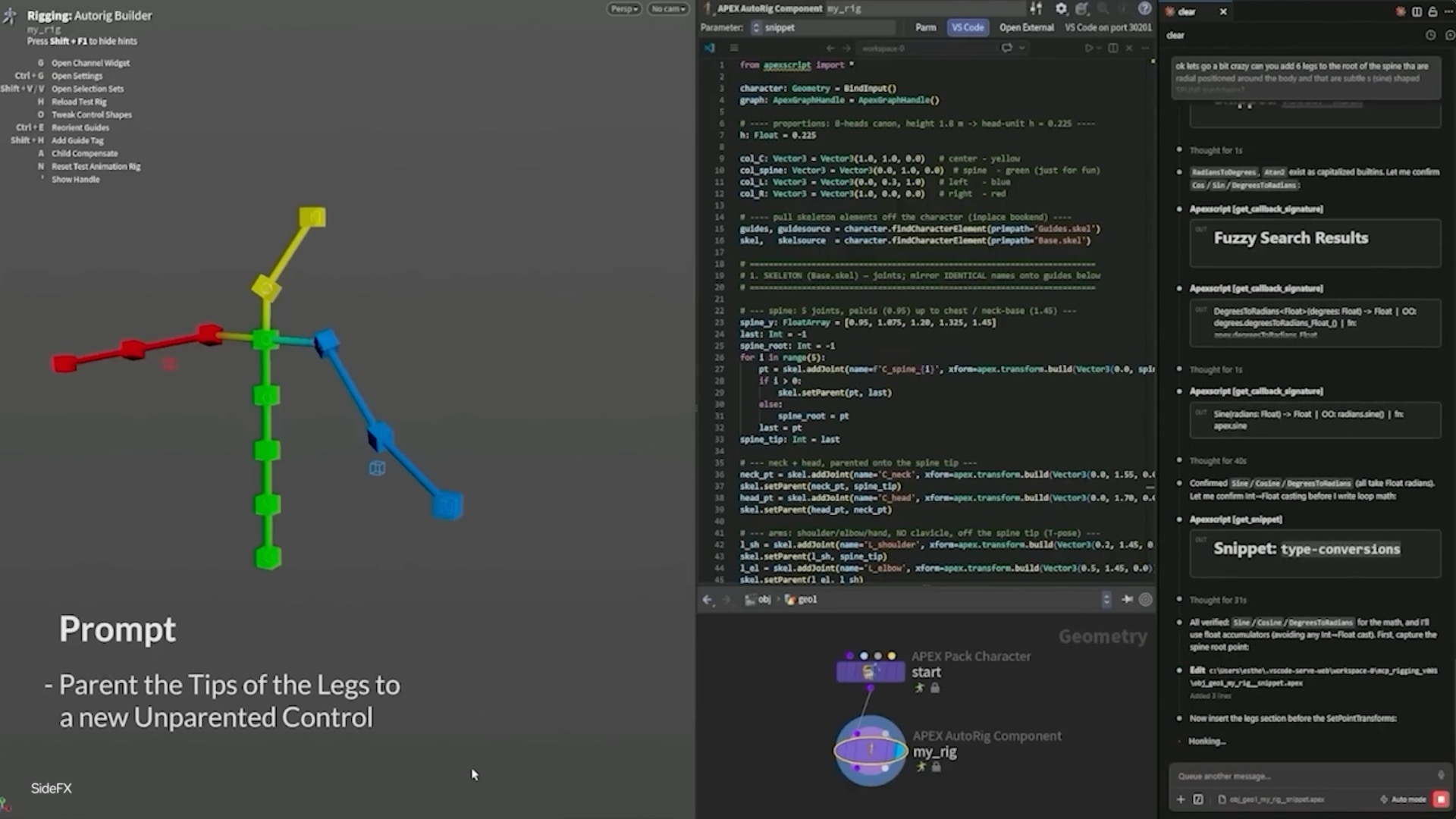
NVIDIA made significant strides at SIGGRAPH 2026, showcasing how agentic and physical AI are set to revolutionize graphics, simulation, and digital world creation. Key announcements included new tools for AI-driven content creation, advanced neural rendering techniques, and an open world model for local physical AI, redefining realism and automation across industries.

NVIDIA CEO Jensen Huang's recent visit to Japan has sparked significant interest in the tech community, with deals spanning the entire Japanese tech ecosystem. This move is expected to have far-reaching implications for the AI industry, with potential collaborations and acquisitions on the horizon. As the AI landscape continues to evolve, Huang's visit marks a pivotal moment in NVIDIA's expansion into the Japanese market.

NVIDIA has released DeepStream 9.1, a significant update bringing agentic AI capabilities to vision analytics. This release introduces Multi-View 3D Tracking (MV3DT) and AutoMagicCalib (AMC) as agentic skills, drastically simplifying cross-camera object tracking and calibration. Developers can now build sophisticated, multi-camera AI pipelines faster and with unprecedented accuracy.
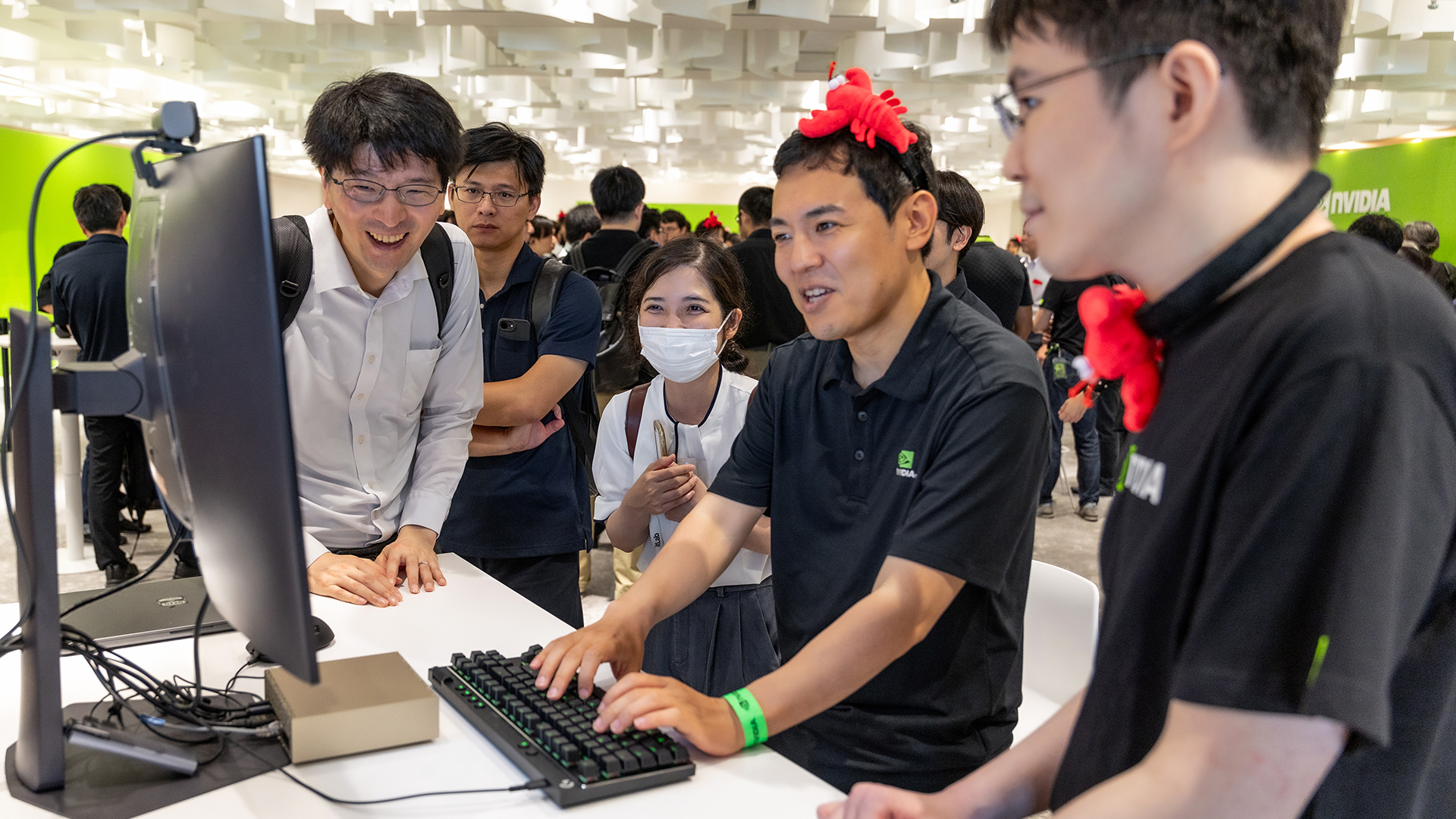
NVIDIA CEO Jensen Huang's recent visit to Japan underscored a major push towards integrating full-stack AI and robotics into every industry, emphasizing the concept of 'personal AI.' At the 'Build-a-Claw' event, developers showcased physical AI agents built with open models and NVIDIA's platform, signaling a new era for intelligent automation.
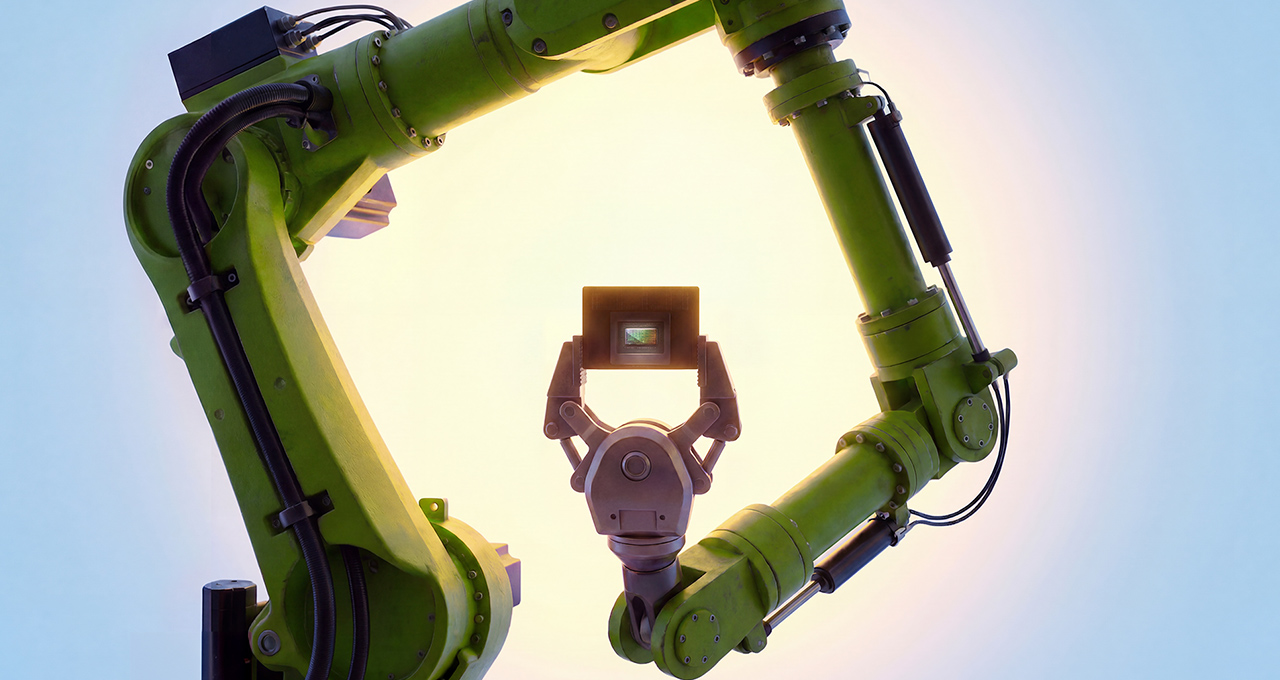
NVIDIA introduced the T3000 and T2000 Jetson modules based on the Thor architecture, advancing mainstream robotics and edge AI applications. These compact, power-efficient AI supercomputers enable mass-market deployment of general-purpose robots and autonomous machines. The new modules deliver high AI compute performance, integrated functional safety, and seamless running of the NVIDIA Halos for Robotics full-stack safety system.
Amazon SageMaker AI now offers serverless model customization for NVIDIA Nemotron 3 models, including Nemotron 3 Nano and Super. This powerful integration empowers enterprises to fine-tune high-performance, open-weight foundation models on domain-specific data, creating proprietary AI assets without managing complex infrastructure. The move significantly lowers the barrier to entry for specialized AI development, promising cost savings and enhanced data security.
NVIDIA CEO Jensen Huang claims Artificial General Intelligence (AGI) has arrived, sparking debate in the AI community. In a recent interview, Huang shared his thoughts on the current state of AGI. The AI industry is abuzz with the concept of AGI, and leading companies are investing heavily in its development.

While the vision of orbital data centers running AI promises unprecedented compute power, a recent IEEE Spectrum report, shared by Slashdot, critically assesses the immense technical and economic hurdles. Despite Elon Musk's ambitious predictions, the reality check underscores that space-based AI infrastructure remains far from practical, highlighting significant challenges in manufacturing, launch capacity, and especially, thermal management for powerful chips like NVIDIA's H100.

Etched, a rising competitor to Nvidia, has reached a remarkable valuation of $5 billion and achieved $1 billion in sales for its AI chip, signaling a significant shift in the AI chip market.
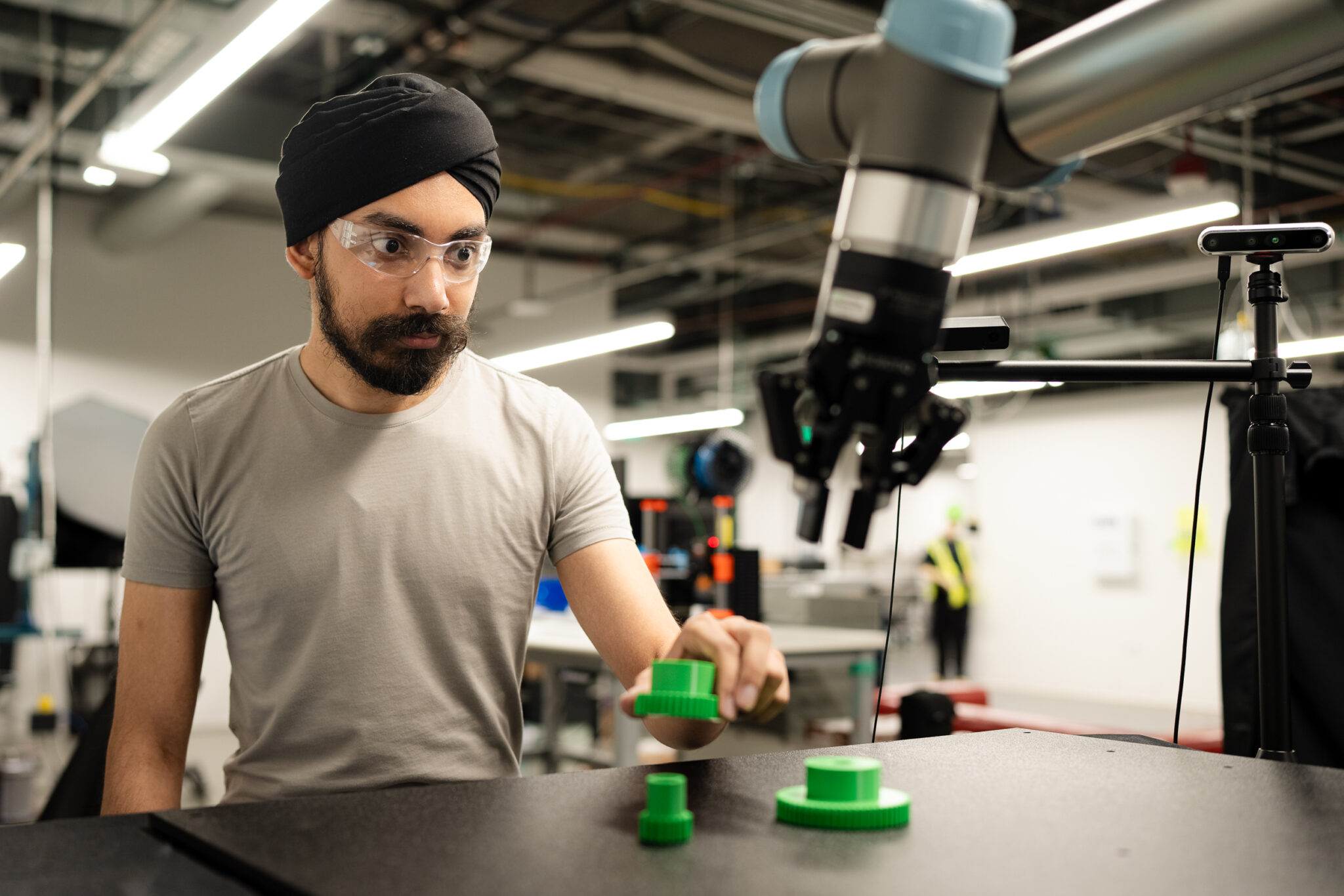
NVIDIA's Jaiveer Singh leads the charge in accelerating the future of robotics with Isaac ROS, a CUDA-accelerated software platform built on ROS 2. This initiative empowers developers to build and deploy autonomous robots faster, bridging the gap between imaginative concepts and real-world utility. Isaac ROS is poised to become the foundational 'connective tissue' for the physical AI era.
NVIDIA's full-stack inference software, optimized for the Blackwell platform, slashes token costs by 5x on DeepSeek V4. Companies like Baseten and Cognition leverage NVIDIA's tools to scale AI workloads efficiently, marking a shift from hardware specs to cost-per-token economics.
NVIDIA's BioNeMo Agent Toolkit now powers Anthropic's Claude Science, enabling researchers to accelerate drug discovery and genomic analysis with natural language workflows. This collaboration marries NVIDIA's GPU computing with Claude Science's AI agents for faster scientific innovation.

Google and other companies are developing classical computing infrastructure to support the growth of quantum computers, which require dedicated classical hardware to operate. Quantum computers promise to solve complex problems, but their reliability depends on classical computing. Companies like Nvidia, IBM Quantum, and Google Quantum AI are working on classical hardware and software to support quantum computing.
Get the top AI stories in your inbox once a day, no spam.
Frequently Asked Questions
How often is AI Pulse updated?
New stories are added every couple of hours as they break, so the feed stays current throughout the day.
Where does ThinkSuite source its AI news from?
We pull from 100+ sources, including company blogs, research labs, and established tech publications, then fact check and summarize each story before it goes live.
Can I filter the news by company or topic?
Yes. Use the sidebar filters to narrow stories down by company (OpenAI, Anthropic, Google, and more), industry, or event type like funding and research.
Is AI Pulse free to use?
Yes. AI Pulse is free for anyone who wants to keep up with AI news, no sign up required. The daily newsletter is optional if you want updates in your inbox.