Nvidia Facing Scrutiny Over Reported $12B Indirect China Chip Orders

A Wall Street Journal report reveals that Singapore-based Megaspeed brokered nearly $12 billion in high-performance Nvidia chip orders for Chinese firms between March 2024 and June 2025. The indirect supply channel underscores growing compliance challenges and regulatory friction surrounding AI hardware exports.
- Megaspeed brokered nearly $12 billion in high-performance Nvidia chip orders for Chinese firms between March 2024 and June 2025.
- The orders comprised several hundred thousand AI chips intended to be restricted by US export controls.
- Megaspeed leveraged preferential partner status with Nvidia cloud infrastructure and ties with Chinese tech giant Alibaba.
- Culper Research estimates over 20% of Nvidia's fiscal year revenue originated from Chinese buyers through indirect channels.
- The revelations highlight escalating geopolitical and regulatory risks across the global AI infrastructure landscape.
Reports from the Wall Street Journal reveal that Singapore-based Megaspeed brokered nearly $12 billion in advanced Nvidia AI chip orders for Chinese entities between March 2024 and June 2025. This massive indirect procurement channel underscores the escalating complexity of AI hardware governance, geopolitical trade restrictions, and global supply chain compliance.
What Were the Details of the Nvidia Chip Orders Brokered by Megaspeed?
According to documents reviewed by the Wall Street Journal, Singapore-registered firm Megaspeed arranged the procurement of several hundred thousand high-performance Nvidia AI chips between March 2024 and June 2025. The total value of these orders approached $12 billion, marking one of the largest indirect compute acquisitions recorded since export restrictions were introduced.
Megaspeed, owned by Alice Huang, facilitated chip shipments to buyers across China who maintained long-standing commercial relationships with prominent domestic technology giants. The hardware involved represented the exact class of advanced accelerators that the United States government has sought to restrict through trade controls aimed at preventing foreign military and frontier AI advancements.
How Did Megaspeed Navigate US Export Controls on Nvidia Hardware?
Megaspeed managed to secure substantial allocations of scarce high-performance hardware by leveraging its status as an official Nvidia cloud partner. Cloud partner status granted the company preferential access to GPU inventory that was otherwise tightly rationed across global markets.
A key driver behind Megaspeed's elevated partner standing was its major client relationship with Chinese cloud provider Alibaba. By operating as an intermediary and hosting service provider, Megaspeed was able to acquire compute units offshore and subsequently deliver hardware capacity or physical systems to end-customers operating within China.
This structure highlights a persistent legal and operational grey area in international trade policy: while direct physical exports of advanced chips to specific regions are banned, multi-tiered cloud partner networks and offshore entities can obscure final end-user destinations.
How Significant Is Indirect Revenue for Semiconductor Giants Like Nvidia?
In official financial filings, Nvidia reported $12.4 billion in direct China revenue over a six-month period, representing approximately 7 percent of its total global revenue. However, financial analysts and short-selling firms argue that official figures significantly understate the true volume of Chinese demand.
Short-seller Culper Research estimates that more than 20 percent of Nvidia's total revenue in the last fiscal year ultimately stemmed from Chinese buyers through indirect channels. These indirect pathways include third-party cloud resellers, overseas data center buildouts, and international procurement partners like Megaspeed. The sharp contrast between official direct sales figures and estimated indirect volume underscores how heavily AI hardware manufacturers rely on global secondary markets.
What Are the Broader Supply Chain and Regulatory Risks for AI Infrastructure?
The revelations concerning Megaspeed and Nvidia carry major implications for regulatory authorities, cloud providers, and enterprise technology buyers. As trade authorities scrutinize indirect distribution networks, hardware manufacturers face potential administrative actions, strict audit mandates, and regulatory fines.
For global enterprises reliant on cloud infrastructure, heightened enforcement could trigger sudden compute supply disruptions. When regulatory agencies move to close offshore intermediary channels, compute capacity hosted in third-party data centers may face regulatory freezes or contract cancellations.
Moreover, the incident reinforces the strategic importance of sovereign AI development and infrastructure transparency. Organizations building frontier models can no longer treat hardware supply chains as purely neutral logistics networks; political, legal, and operational risks must be factored into long-term infrastructure planning.
What this means for your business
As global trade sanctions and regulatory friction reshape the hardware landscape, enterprise leaders must rethink how they build, scale, and protect their AI initiatives. Relying solely on unchecked compute availability or vulnerable supply channels exposes organizations to sudden operational disruptions and compliance liabilities.
At ThinkSuite, we help enterprises navigate these complex technological shifts. Through our expert business strategy consulting, we guide leadership teams in developing resilient AI strategy and effective AI governance frameworks that safeguard operations while meeting international regulatory standards. To stay ahead of shifting trade policies and hardware supply trends, our tailored market research services provide actionable insights into vendor ecosystems, compute dynamics, and competitive risks.
Additionally, when hardware constraints or regulatory bottlenecks threaten growth, our team delivers high-performance software solutions via custom software development to optimize algorithmic efficiency and maximize ROI from existing compute resources. Whether you are scaling internal AI tools or building sovereign digital infrastructure, ThinkSuite equips your business to maintain momentum despite regulatory unpredictability.
Why it matters
For enterprises, technology leaders, and semiconductor stakeholders, this development exposes the intense complexity of global AI hardware procurement amidst shifting trade sanctions. As governments enforce strict export controls, tech companies face heightened scrutiny regarding their supply chains, distribution partnerships, and international revenue exposure. Furthermore, reliance on indirect channels for cutting-edge computing infrastructure creates operational uncertainties for global AI initiatives. Organizations building heavy compute infrastructures must evaluate regulatory compliance, hardware sourcing resilience, and sovereign AI strategies to avoid systemic bottlenecks or legal liabilities.
Market impact
The revelations could spur regulatory investigations and tighter export compliance enforcement by US authorities, directly affecting global semiconductor supply chains. Investors and analysts may re-evaluate Nvidia's true addressable market and regulatory risk exposure given that short-sellers like Culper Research claim indirect Chinese demand represents a much larger share of revenue than officially reported.
Developer impact
For engineering teams and AI developers, compute access remains the core bottleneck for training and deploying foundation models. Strict enforcement of export sanctions and supply chain audits could shift how cloud compute resources are allocated globally, encouraging developers to optimize model efficiency through quantization and open-source models rather than relying solely on raw compute scaling.
What comes next
In the next 30 days, regulatory authorities are likely to launch inquiries into third-party cloud partner distribution channels. Over the next 90 days, hardware vendors will institute stricter end-user verification protocols across secondary cloud providers. Within 180 days, enterprise compute sourcing will pivot toward localized infrastructure and audited sovereign AI clouds to mitigate sanction compliance risks.
The report detailing $12 billion in indirect Nvidia chip shipments to Chinese entities illustrates the intense demand for frontier hardware regardless of trade restrictions. When advanced AI chips like H100s or B200s become critical national economic drivers, international trade pathways inevitably adapt through secondary partners, third-party cloud brokers, and offshore entities. However, this shadow infrastructure poses immense operational and regulatory risks. Semiconductor manufacturers face potential sanctions from trade oversight bodies, while enterprise buyers face unpredictable supply chains and compliance overheads. Organizations must establish rigorous supply chain visibility and risk modeling to navigate geopolitical shifts.
ThinkSuite AI analysis
Frequently asked questions
What was reported regarding Nvidia's indirect chip shipments to China?
Reports by the Wall Street Journal indicate that Singapore-based firm Megaspeed arranged nearly $12 billion in Nvidia high-performance chip orders for Chinese companies between March 2024 and June 2025, bypassing US export control measures.
How do indirect chip supply routes impact global AI governance?
Indirect distribution routes obscure final hardware ownership, creating friction for regulatory compliance, supply chain auditing, and international AI governance standard enforcement.
How can my business adapt its technology strategy in light of AI hardware regulatory risks?
Businesses can build long-term resilience by partnering with ThinkSuite for business strategy consulting to conduct supply chain risk audits, establish robust AI governance frameworks, and explore efficient hardware architecture options.
Go deeper
The surge in Nvidia chip orders for China opens a $5B market for flexible GPU access, compliance monitoring, and secure data services—opportunities ripe for low‑cost, tech‑driven startups to capitalize on the AI boom while navigating export controls.
GPU‑as‑a‑Service for Chinese Startups
A flexible, subscription‑based GPU rental platform that allows Chinese AI startups to access Nvidia chips without upfront hardware costs.
All Opportunities (7)
Chip Compliance Tracker
medium competitionA cloud‑based SaaS platform that continuously monitors and alerts Chinese companies on the legal status of Nvidia chip imports, ensuring adherence to U.S. export controls.
AI Optimization‑as‑a‑Service
high competitionA managed service that profiles, tunes, and auto‑scales AI workloads on Nvidia GPUs, maximizing performance for Chinese AI teams.
Secure Data Transfer Network
low competitionAn end‑to‑end encrypted, low‑latency network that connects Chinese clients to U.S. data centers, bypassing traditional VPN bottlenecks.
GPU‑as‑a‑Service for Chinese Startups
low competitionA flexible, subscription‑based GPU rental platform that allows Chinese AI startups to access Nvidia chips without upfront hardware costs.
Custom AI Model Marketplace
medium competitionA marketplace where Chinese companies can order custom‑trained AI models from vetted U.S. providers, ensuring data privacy and compliance.
Nvidia Chip Order Aggregator
low competitionA B2B platform that aggregates small orders of Nvidia chips from Chinese firms to negotiate better pricing and streamlined logistics.
Export Control Intelligence Platform
medium competitionAn AI‑driven platform that scans regulatory updates, predicts compliance risks, and recommends mitigation strategies for Nvidia chip use.
💰 Investment Angles
- High growth potential in China’s AI boom, with a $5B TAM for GPU‑as‑a‑service; 2) Low capital intensity—no need to own hardware; 3) Strong regulatory tailwinds as firms seek compliant, flexible solutions
⚠️ Threatened Startups
- Existing GPU rental services that lack compliance tools; traditional on‑prem GPU vendors facing high upfront costs
👩💻 Emerging Job Roles
- Compliance AI Analyst
- GPU Fleet Operator
- Regulatory Data Engineer
- AI Model Marketplace Curator
- Secure Data Transfer Specialist
Also available in:हिंदीEspañolFrançais
Sources
The Decoder ↗More on NVIDIA

Meituan Debuts 1.6T LongCat-2.5 Agent Model Built Without Nvidia GPUs
Chinese tech leader Meituan has released LongCat-2.5, a 1.6-trillion-parameter open-weights agent model trained entirely on domestic hardware without Nvidia chips. Capable of handling 1M context tokens and autonomous coding tasks, the model achieves near-parity with top Western AI models like Claude Opus 5.
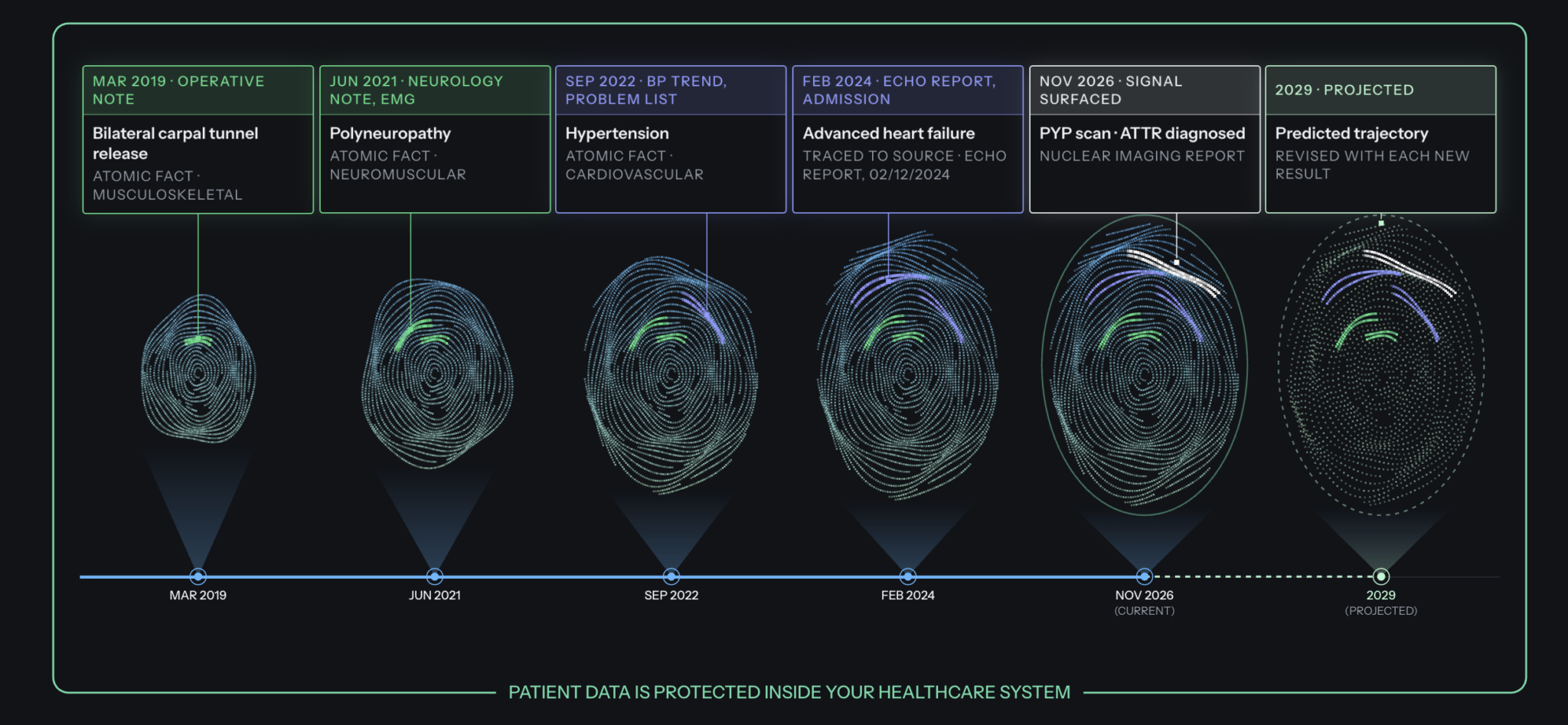
NVIDIA & Dyania Health Deploy On-Premise AI for Patient Care
Dyania Health uses NVIDIA-accelerated computing to run Synapsis AI, a clinical reasoning engine that processes unstructured hospital records within secure firewalls. This approach helps clinicians analyze patient histories faster while keeping health data completely private.

NVIDIA Board Reportedly Considers Ousting CEO Jensen Huang: Market & AI Impact
Reports indicate NVIDIA's board is considering the departure of longtime CEO Jensen Huang following personal conduct allegations and internal governance reviews. The news triggered an 8% drop in NVIDIA stock, raising critical questions for enterprise AI roadmaps reliant on GPU infrastructure.