
Nvidia CEO Jensen Huang boldly predicted $1 trillion in cumulative AI chip sales from 2025-2027, primarily driven by Blackwell and Rubin architectures. While current growth and demand suggest they are on pace, potential headwinds like supply chain constraints and increasing in-house chip production from major cloud providers loom. This article explores the feasibility of this ambitious target and its implications for the AI industry.
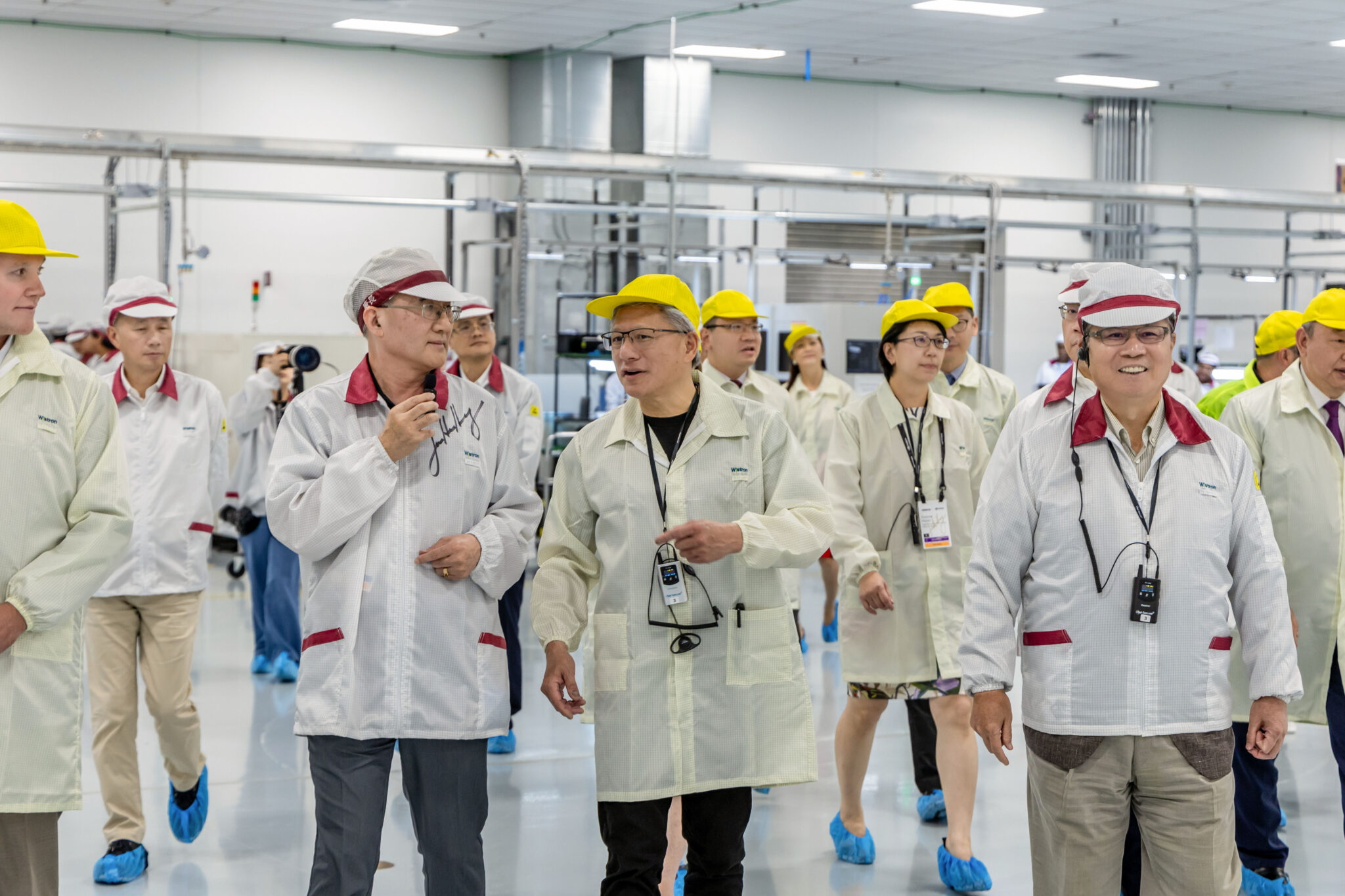
Wistron has launched its first U.S. manufacturing facility in Fort Worth, Texas, a 324,000-square-foot plant dedicated to producing NVIDIA's cutting-edge AI superchips like the GB300 Grace Blackwell Ultra and the upcoming Vera Rubin. This $700 million commitment aims to bolster domestic AI infrastructure, create over 500 jobs, and signifies a major step in re-industrializing the U.S. for the AI era.
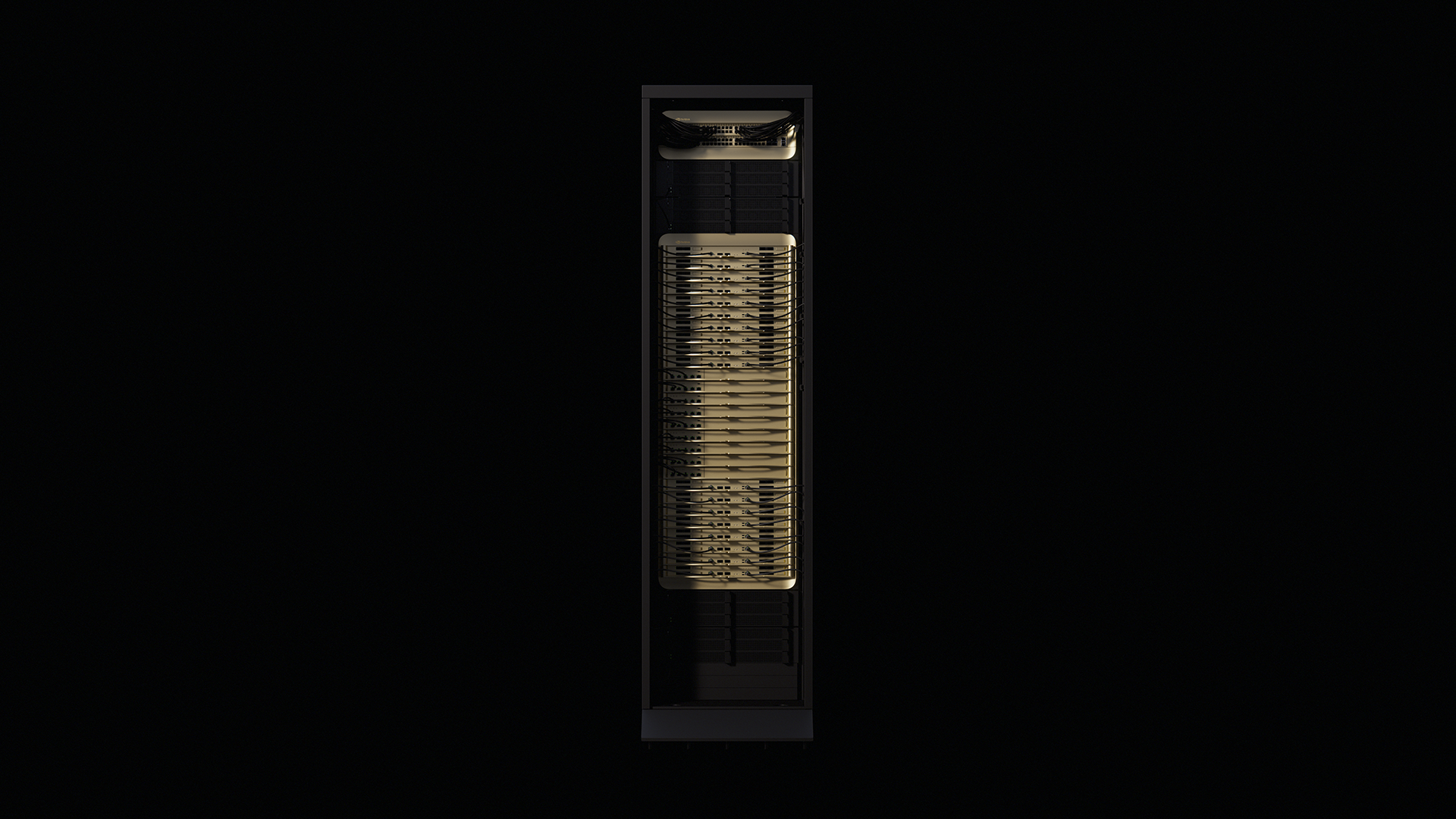
NVIDIA has launched its Vera Rubin NVL72 platform, promising unparalleled performance per watt and the lowest token cost for AI factories. This new architecture, built on extreme codesign, delivers a 10x throughput per megawatt improvement over previous generations, addressing critical power constraints in the rapidly expanding AI infrastructure.
Get the top AI stories in your inbox once a day, no spam.
Frequently Asked Questions
How often is AI Pulse updated?
New stories are added every couple of hours as they break, so the feed stays current throughout the day.
Where does ThinkSuite source its AI news from?
We pull from 100+ sources, including company blogs, research labs, and established tech publications, then fact check and summarize each story before it goes live.
Can I filter the news by company or topic?
Yes. Use the sidebar filters to narrow stories down by company (OpenAI, Anthropic, Google, and more), industry, or event type like funding and research.
Is AI Pulse free to use?
Yes. AI Pulse is free for anyone who wants to keep up with AI news, no sign up required. The daily newsletter is optional if you want updates in your inbox.